
An anti-inflammatory diet often sounds abstract. In everyday life, however, it boils down to one simple question: What foods regularly end up on your plate?
Studies consistently link some of these foods to lower inflammation levels. Here are nine foods that are mentioned particularly often, along with practical tips for incorporating them into your diet.
Verival Organic Muesli – Try it now
Why anti-inflammatory foods are important
What we eat every day influences how our body functions. Inflammatory processes are no exception. A diet high in highly processed foods, sugar, and low in fresh ingredients is often associated with less favorable effects on metabolism.
At the same time, research clearly shows that diets rich in vegetables, whole grains, nuts, and healthy fats are associated with lower inflammation levels.
It’s important to note that individual foods cannot be considered “healing” on their own. Rather, the goal is to achieve a positive effect through the synergy of many foods and to incorporate this into a long-term dietary approach.
The Top 9 Anti-Inflammatory Foods
Berries (e.g., blueberries, raspberries)
Berries are rich in phytochemicals, particularly polyphenols. They are credited with various health benefits, including processes that can help regulate inflammation in the body. At the same time, berries provide important vitamins and are an easy way to incorporate more plant-based foods into your daily routine.
Whole grains
Whole grains contain significantly more fiber than refined grain products. These promote healthy gut flora and, according to studies, are associated with lower inflammation levels. Oatmeal, whole-grain bread, or brown rice are therefore a good foundation for a balanced diet.
Nuts and seeds (e.g., almonds, flaxseeds)
Nuts and seeds provide healthy fats, fiber, and important micronutrients. Walnuts and flaxseeds, in particular, contain omega-3 fatty acids, which play a role in regulating inflammatory processes. They make a great snack or addition to meals.
Green leafy vegetables (e.g., spinach, kale)
Green leafy vegetables are particularly nutrient-rich and provide vitamins, minerals, and phytochemicals, among other things. They are a central component of many diets associated with positive health effects and should not be missing from the list of anti-inflammatory foods. Green leafy vegetables should be included regularly in the diet in all their forms.

Turmeric
Turmeric contains the plant compound curcumin, which has shown anti-inflammatory properties in some studies. However, these effects have often been studied under controlled conditions and at higher doses. In the kitchen, turmeric can still be a useful addition, even if its effects are harder to assess in everyday life.
Garlic
Garlic contains sulfur-containing compounds that may be associated with various health effects. Some studies suggest that they may also play a role in inflammatory processes. However, the evidence is inconclusive, which is why garlic is primarily relevant as part of an overall balanced diet.
Tomatoes
Tomatoes are an important source of lycopene, an antioxidant with various health benefits. Interestingly, lycopene from processed tomato products such as tomato sauce can sometimes be better absorbed than from raw tomatoes.
Fatty fish (e.g., salmon, mackerel)
Fatty fish provides omega-3 fatty acids, which play a role in regulating inflammatory processes. Studies show that these effects may be particularly relevant in cases of existing inflammation. Regular but moderate inclusion in the diet as an anti-inflammatory food may therefore be beneficial.
Olive oil
Extra virgin olive oil is a central component of the Mediterranean diet. It contains monounsaturated fatty acids as well as phytochemicals, which are believed to have positive effects on metabolism.
It is important not to view olive oil in isolation. Its potential benefits are most evident in the context of an overall balanced and plant-rich diet.
Practical Tips for Incorporating into Your Daily Routine
Breakfast Ideas
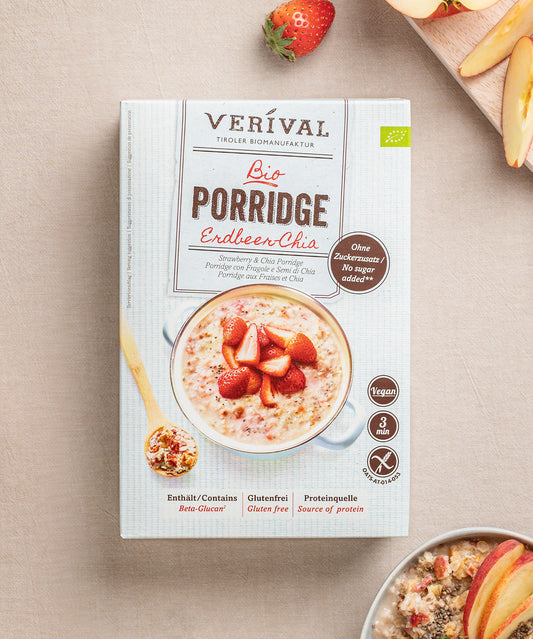
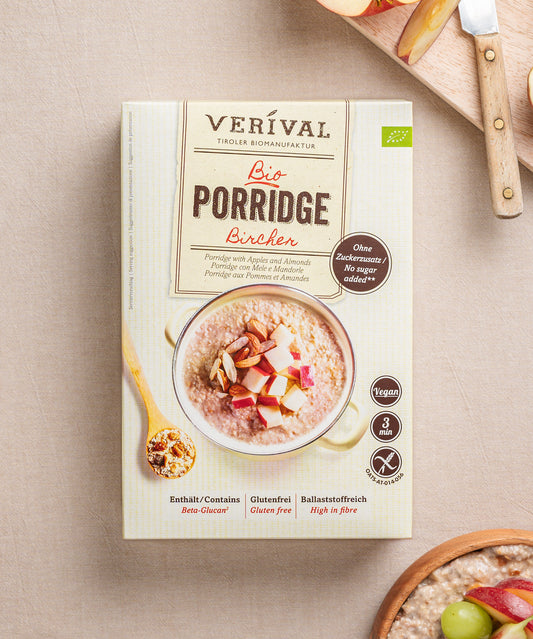
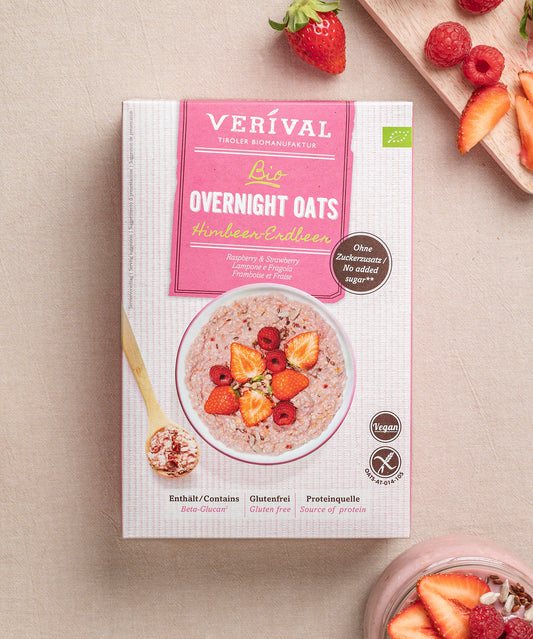
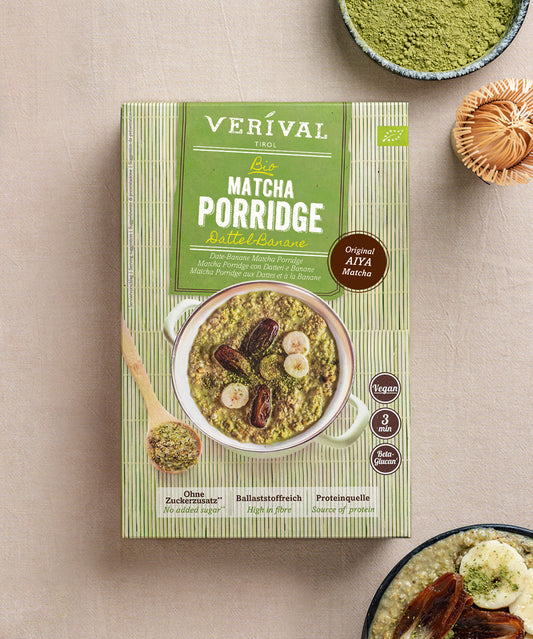
Breakfast is an ideal opportunity to combine several anti-inflammatory foods. A oatmeal porridge provides fiber and can be topped with berries, nuts, and seeds. A bowl of granola with yogurt, fruit, and nuts is also a simple and balanced option.
Basic Porridge Recipe

Porridge is made from rolled oats and is heated on the stove with water or milk. The original basic porridge recipe comes from Scottish working-class families.
Ingredients:
- 180 ml milk
- 3–4 tbsp rolled oats (whole grain) or Verival Porridge Mix (approx. 30–40 grams of rolled oats)
- 1 pinch of salt
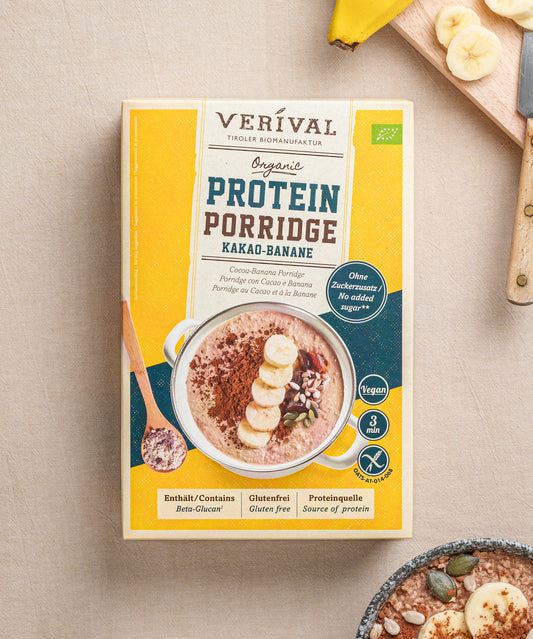
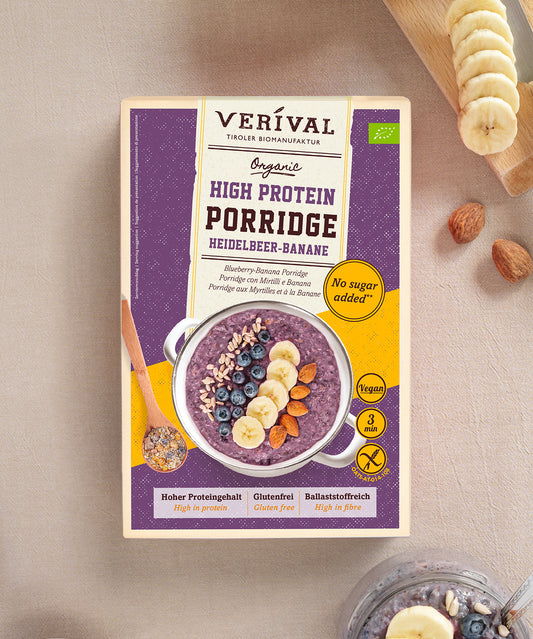
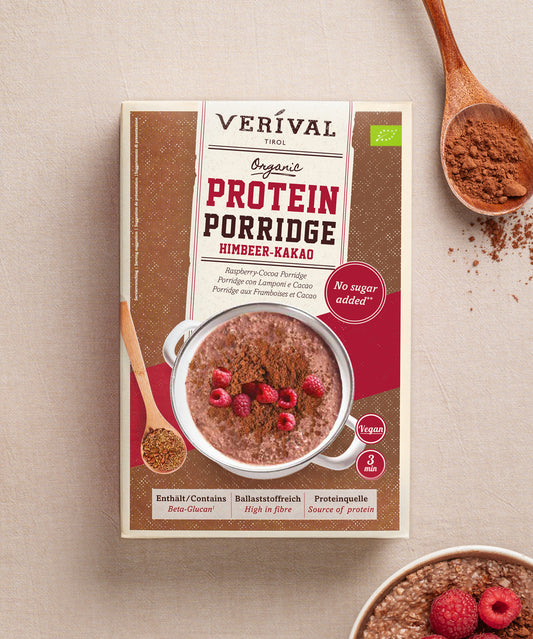
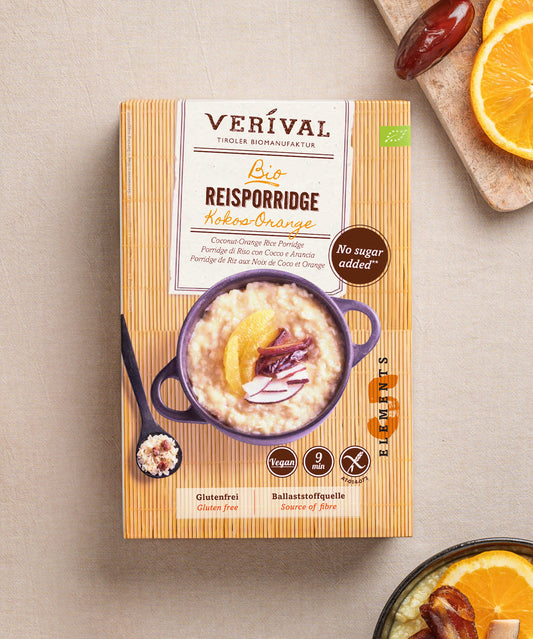
The plain porridge is stirred in a pot and seasoned with just a pinch of salt. For more flavor, you can use our Verival porridge variations instead of regular rolled oats.
Snacks
Simple, nutrient-rich snacks like a handful of nuts, fresh fruit, or yogurt with seeds are perfect for between meals. They’re easy to incorporate into your daily routine and provide important nutrients.
Main Meals
For main meals, it can be helpful to follow a simple structure. A combination of plenty of vegetables, whole grains, a protein source, and healthy fats forms a good foundation. Olive oil works well for dressing salads or for cooking.
Conclusion
Anti-inflammatory foods can make an important contribution to a balanced diet. However, it is not a single food that matters, but the interaction of many components.
A plant-based, minimally processed diet with healthy fats and sufficient fiber is currently the best-supported foundation for reducing inflammatory processes in the body over the long term.
Discover Verival Organic Porridge Now
Frequently Asked Questions
Which foods are highly anti-inflammatory?
Among the most important are berries, green vegetables, whole grains, nuts and seeds, as well as fatty fish and olive oil. They provide fiber, healthy fats, and plant compounds that can support the body. It is crucial that you incorporate them regularly rather than just eating them occasionally.
What is the strongest natural anti-inflammatory?
There is no single “strongest” food. Turmeric is often mentioned because the compound curcumin has been studied in research, though mostly in concentrated form. In everyday life, a balanced diet overall has the greatest effect.