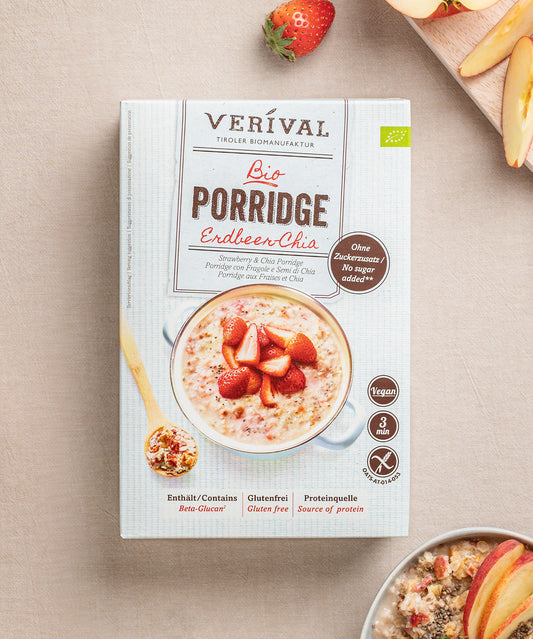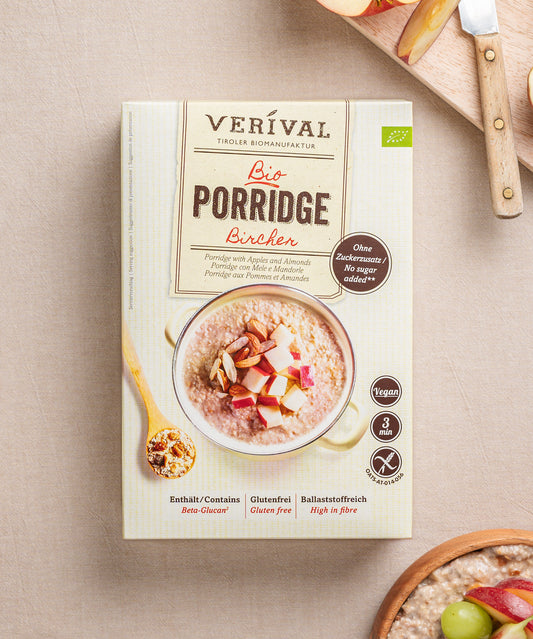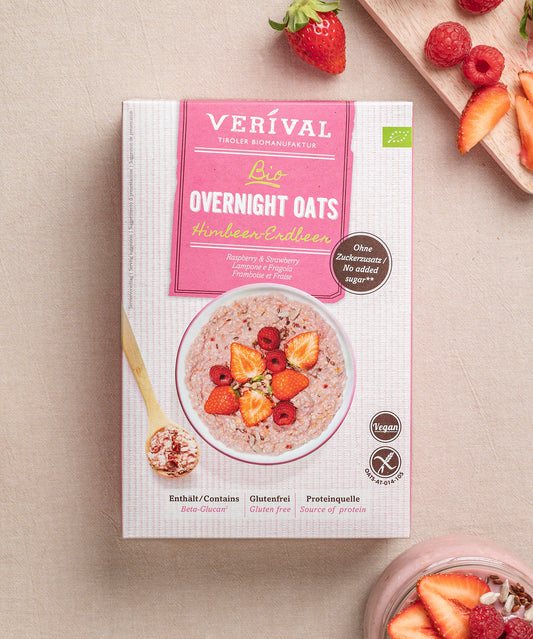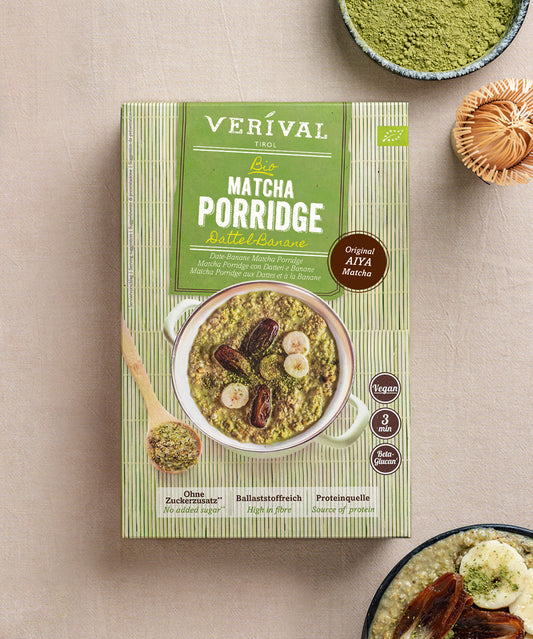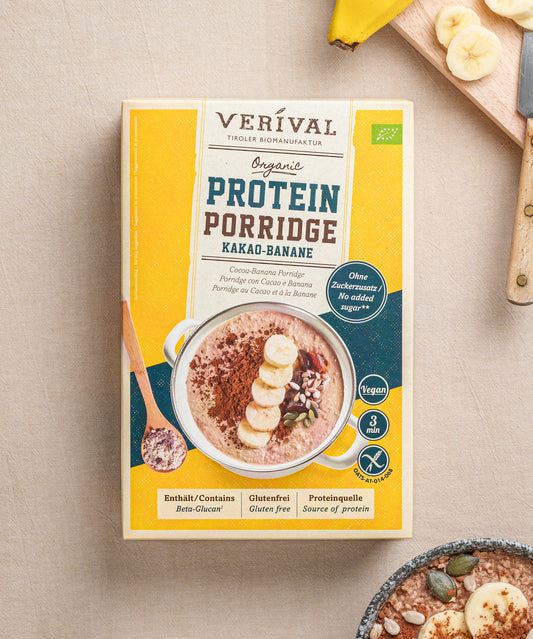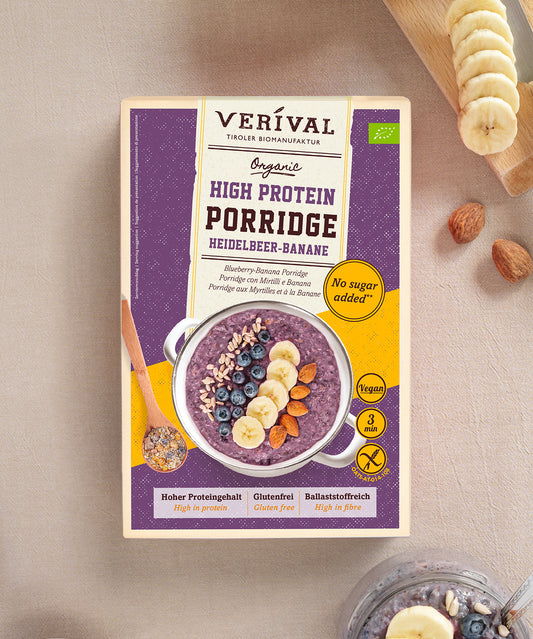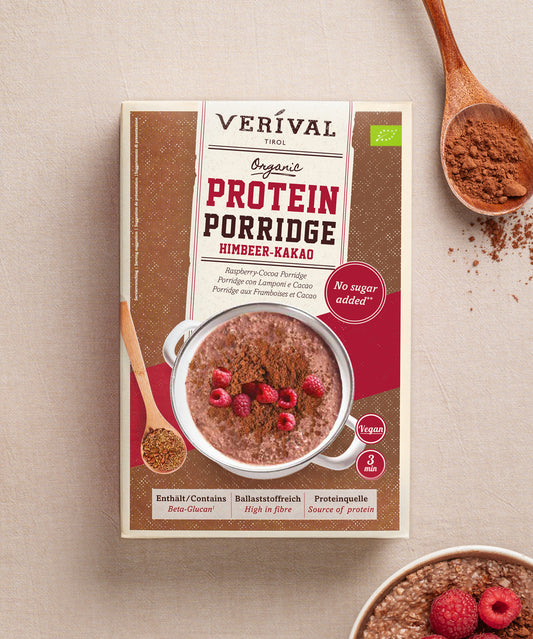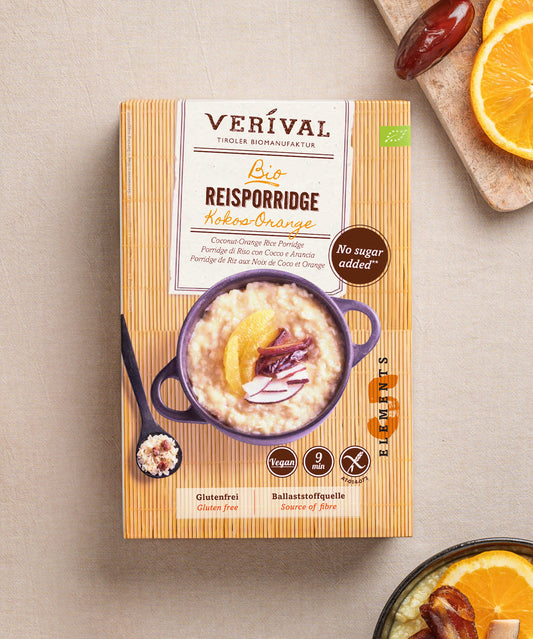

Porridge with berries, yogurt with nuts, or whole-grain bread with a hearty spread. For a breakfast that fits an anti-inflammatory diet, you don’t need any fancy ingredients. Often, you can put together something suitable using just what you have at home. We’ll show you what matters and share some simple breakfast ideas.
Verival Porridge with No Added Sugar – Try It Now
What Defines an Anti-Inflammatory Diet
Inflammation helps the body fight off infections and heal injuries. This is a normal and important response. However, if inflammatory processes remain active over an extended period, they can take a toll on your health. Along with other factors, diet also plays a role in this.
An anti-inflammatory diet consists primarily of plant-based foods. Vegetables, fruits, whole grains, legumes, nuts, and plant-based oils are regular staples. Foods high in sugar and processed meats, on the other hand, are consumed less frequently.
A well-studied example of this is the Mediterranean diet. Review studies show that this dietary pattern yields favorable results for various inflammatory markers.
The Best Breakfast Foods for Inflammation
Many anti-inflammatory foods are also suitable for breakfast. You can combine them into a sweet or savory dish, depending on your taste. The following groups provide a good guide.
Whole-grain products and rolled oats
Rolled oats are a versatile whole-grain base for your breakfast and provide dietary fiber, including beta-glucan. Combined with milk or a plant-based beverage, they can be made into porridge or overnight oats. When combined with yogurt and fruit, they also make a great muesli.
Studies have not yet been able to conclusively show whether oats alone reduce inflammation. As a whole-grain product, however, they have a firm place in a plant-based diet. If you prefer something savory in the morning, whole-grain bread is a good alternative—for example, with hummus and vegetables.
Fruit and Berries
Berries add a fruity touch to your porridge, muesli, or yogurt. Blueberries and black currants contain anthocyanins, among other compounds, which are classified as phytochemicals. In a review of controlled studies, regular consumption of anthocyanin-rich berries was associated with a slight decrease in the inflammatory marker CRP. However, this does not imply that a single serving of berries at breakfast has any effect.
Depending on the season, you can just as easily opt for apples, pears, or other fruits. A grated apple makes overnight oats juicy, while pears pair well with warm porridge. If fresh berries aren’t available, frozen berries are a convenient alternative.
Nuts and Seeds
Nuts and seeds are also found in the Mediterranean diet, which is considered particularly beneficial. They provide unsaturated fats, fiber, and plant-based protein. Walnuts and flaxseeds also contain a plant-based omega-3 fatty acid. It’s still unclear whether nuts alone lower inflammation levels. However, studies show that regular nut consumption helps blood vessels dilate more effectively. This is important for good blood circulation.
Nuts and seeds are easy to incorporate into breakfast. Chopped nuts add a little crunch to porridge or yogurt, for example, and you can stir ground flaxseed right in. For a creamy option, try a spoonful of almond butter—preferably one without added sugar.
Healthy Fats: Avocado and Olive Oil
Even a hearty breakfast has room for healthy fats. Avocado and extra virgin olive oil contain monounsaturated fatty acids. Olive oil is also a staple of the Mediterranean diet. Studies suggest that regular consumption may lower certain inflammation markers.
For a quick breakfast, spread avocado on whole-grain bread and top it with tomatoes. A little olive oil also tastes great with hummus and vegetables. However, there is no evidence that avocado alone has a specific anti-inflammatory effect.
Protein sources: Yogurt and plant-based alternatives
Yogurt turns oatmeal and fruit into a breakfast bowl with minimal effort. If you want to add more protein, you can choose plain yogurt, skyr, or an unsweetened soy alternative. For a hearty breakfast, try cottage cheese or hummus.
When choosing plant-based yogurt alternatives, it’s worth checking the nutrition facts label, as oat- or coconut-based varieties often contain less protein than soy products. So you can choose based on your taste and supplement your breakfast with another protein source if needed.
Breakfast Ideas for an Anti-Inflammatory Diet
These three recipes show how you can combine whole grains, fruits or vegetables, nuts, and plant-based fats for breakfast.
Blueberry-Apple Porridge

Ingredients
- 50 g rolled oats
- 200 ml oat or almond milk
- ½ apple, grated
- 50 g blueberries
- 1 tsp chia or flax seeds
- 1 tbsp chopped almonds or walnuts
- ½ tsp cinnamon
Directions
- Heat the rolled oats and plant-based milk in a saucepan. Stir in the apple, seeds, and cinnamon, and let the porridge simmer for about 5–7 minutes, stirring occasionally.
- Fold in the blueberries and transfer the porridge to a bowl. Sprinkle with the chopped nuts.
Bircher Muesli with Apple and Hazelnuts

Ingredients
- 50 g rolled oats
- Water for soaking
- about 100 ml milk or plant-based milk
- 1 small apple
- 1 tbsp chopped hazelnuts
- a little lemon juice
Directions
- Cover the rolled oats with water and let them soak in the refrigerator for at least one hour, preferably overnight.
- Stir in the milk or plant-based milk. Grate the apple, mix it into the oatmeal with a little lemon juice, and sprinkle the hazelnuts on top. Add a little more liquid if needed.
Whole-grain bread with hummus and vegetables

Ingredients (for one serving)
- 2 slices of whole-grain bread
- 3 tbsp hummus
- 1 small tomato
- a piece of cucumber or a few radishes
- 1 tsp extra virgin olive oil
- Pepper to taste
Preparation
- Spread hummus on the bread. Slice the tomato and cucumber or radishes and arrange them on top.
- Drizzle with a little olive oil and season with pepper to taste.
Practical Tips for Everyday Life
You don’t have to plan a varied breakfast from scratch every morning. Pick two or three combinations you enjoy, and keep ingredients like rolled oats, nuts, and seeds on hand. You can then add fresh fruits and vegetables depending on the season. If you’re short on time in the morning, you can prepare your breakfast in advance—for example, by putting overnight oats in the fridge the night before.
Plain rolled oats make a great base for many sweet breakfast recipes. When it comes to pre-packaged muesli and yogurt alternatives, it helps to check the ingredient list and nutritional information. “No added sugar,” for example, doesn’t mean “sugar-free”—fruit naturally contains sugar.
If you haven’t been eating whole grains, nuts, or seeds very often, start with small amounts. This will allow your digestive system to adjust to the extra fiber. For example, start with a serving of porridge with fruit and add nuts or seeds later.
If you have an inflammatory condition or if symptoms persist, consult a doctor. You can also discuss which dietary changes would be best for you.
Discover Verival Organic Muesli for Breakfast
Frequently Asked Questions
What does a weekly meal plan for an anti-inflammatory diet look like?
Throughout the week, combine vegetables, fruits, and whole grains with legumes, nuts, and plant-based oils. For breakfast, for example, alternate between porridge with berries, overnight oats, granola, and whole-grain bread with hummus and vegetables. Foods high in sugar and processed meats are less common on the menu.
Which food has the strongest anti-inflammatory effect?
No single food can be identified as the strongest anti-inflammatory. The Mediterranean diet as a whole has been more extensively studied; it regularly includes vegetables, fruits, whole grains, legumes, nuts, and olive oil.
Are oatmeal also anti-inflammatory?
Oatmeal provides dietary fiber and serves as a whole-grain foundation for an anti-inflammatory diet. However, there is currently insufficient evidence to show that it reliably reduces inflammation on its own.
Sources
Reyneke, G. L., Lambert, K., & Beck, E. J. (2026). Dietary Patterns Associated With Anti-inflammatory Effects: An Umbrella Review of Systematic Reviews and Meta-analyses. Nutrition reviews, 84(6), 1167–1192. https://doi.org/10.1093/nutrit/nuaf104
Vidal Damasceno, J., Garcez, A., Anelo Alves, A., da Mata, I. R., Morelo Dal Bosco, S., & Garavaglia, J. (2026). Effects of daily extra virgin olive oil consumption on biomarkers of inflammation and oxidative stress: a systematic review and meta-analysis. Critical reviews in food science and nutrition, 66(2), 392–408. https://doi.org/10.1080/10408398.2025.2525446